Radar Synonyms: Discover Another Word for Radar
Looking for another word for radar? Explore radar synonyms and related terms across technical, everyday and figurative contexts with clear examples.
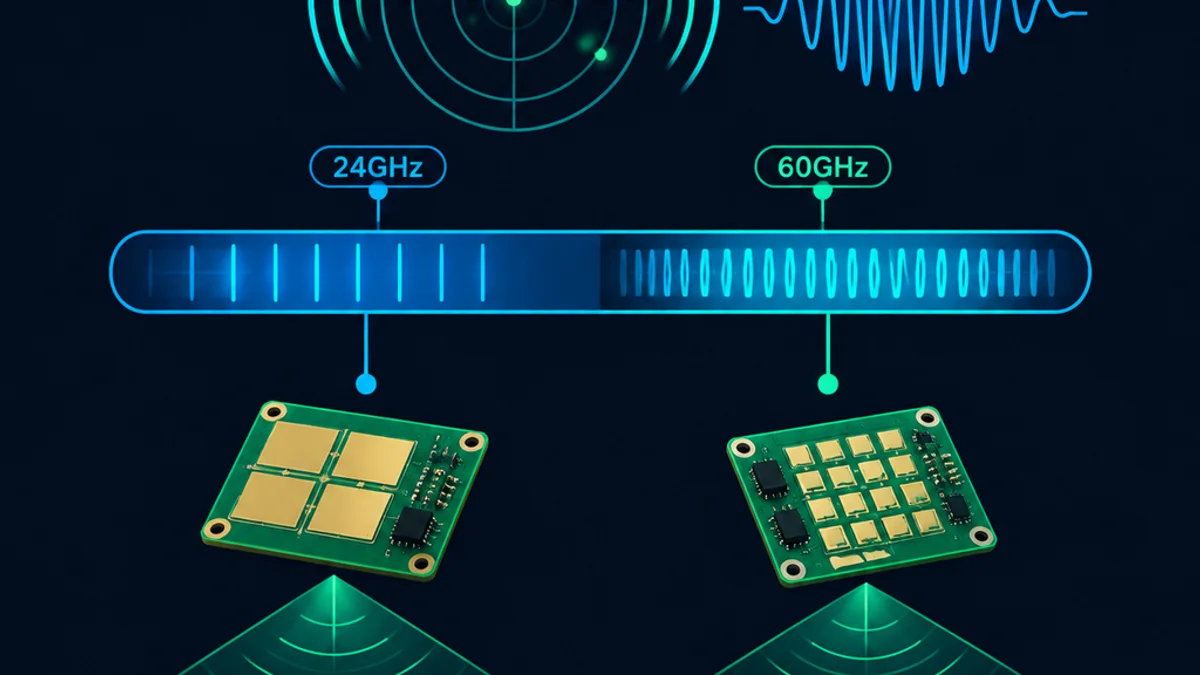
“Radar” can mean a literal detection technology, a weather or aviation tool, or a figurative sense of awareness, attention, and monitoring. The best alternative depends on whether you are describing equipment, a system, a person’s focus, or the idea of something being noticed. This guide explains common radar synonyms, when to use them, and which terms to avoid when precision matters.
What is another word for radar?
Another word for radar could be detection system, scanner, tracking system, surveillance system, sensor, or monitoring system, depending on the sentence. In casual or figurative writing, alternatives such as awareness, attention, watchlist, visibility, or focus may work better than a technical synonym. Because radar is a specific technology, there is no perfect one-word replacement in every context.
That last point is important. “Radar” is often used loosely, but in technical writing it refers to a system that uses radio waves to detect objects and determine information such as distance, direction, or speed. If you replace it with a broad word like “sensor,” you may make the sentence easier to read, but you may also remove useful technical meaning.
A good replacement should match three things:
- The context: Is this about aircraft, weather, ships, traffic, security, or attention?
- The level of precision: Does the reader need to know it is specifically radio-wave technology?
- The tone: Is the writing technical, conversational, journalistic, or metaphorical?
For example, “The airport installed new radar” is not the same as “The airport installed a new scanner.” A scanner might be a screening device, a document reader, or another type of sensor. But “The company is on our radar” can often become “The company is on our watchlist” with very little loss of meaning.

The core meaning behind “radar”
Before choosing a substitute, it helps to understand what the word is doing in the sentence. In literal use, radar is not just “seeing” or “watching.” It is a method of detection, usually associated with locating objects that may be far away, moving quickly, hidden by darkness, or difficult to observe with the naked eye.
That is why radar appears in aviation, maritime navigation, weather forecasting, defense, speed enforcement, and scientific measurement. It suggests active detection rather than passive observation. A camera records what is visible. A person watches what they can see. Radar searches, detects, tracks, and measures.
In figurative use, the word keeps that same idea of detection, but it becomes more flexible. If a topic is “on your radar,” you are aware of it and paying attention to it. If something “flies under the radar,” it avoids notice. If a candidate “appears on the radar,” they have entered someone’s field of interest.
This is why radar synonyms fall into two broad groups:
- Technical alternatives for actual equipment or systems.
- Figurative alternatives for awareness, attention, notice, or priority.
Mixing those groups can create awkward writing. “The storm is on the meteorologist’s awareness system” sounds unnatural. “The product launch flew under the tracking system” may confuse readers unless an actual tracking system is involved.
Common radar synonyms for technical writing
When radar is used literally, the safest alternatives are usually phrases rather than single words. A phrase gives you room to keep the meaning clear while adjusting the tone. In formal writing, “radar system” may be the best option because it preserves accuracy and sounds natural.
Useful technical alternatives include:
- Detection system: A broad term for technology that identifies the presence of something.
- Tracking system: Best when the system follows movement over time.
- Surveillance system: Useful when monitoring an area, route, border, sky, or sea.
- Sensor: A general term for a device that detects or measures conditions.
- Scanner: A more casual term that suggests sweeping or searching an area.
- Locator: Useful when the focus is finding position rather than measuring speed or movement.
- Monitor: Best when the emphasis is ongoing observation.
- Early-warning system: Strong when radar is used to detect threats or changing conditions before they become urgent.
Each option carries a slightly different emphasis. A detection system tells readers something can be found. A tracking system tells readers motion matters. A surveillance system suggests observation for security, safety, or control. A sensor is broad and modern, but less specific. A scanner is easy to understand, though it can sound informal or imprecise in technical documents.
Consider these examples:
- “The aircraft uses radar to identify nearby traffic.”
- “The aircraft uses a detection system to identify nearby traffic.”
- “The aircraft uses a tracking system to follow nearby traffic.”
- “The aircraft uses onboard sensors to identify nearby traffic.”
The first sentence is the most specific. The second is broader. The third emphasizes movement. The fourth may include radar, cameras, infrared devices, or other technologies, so it works only if the broader meaning is intended.
Radar terms in weather, aviation, and marine contexts
In weather and transportation writing, radar often appears with specialized meaning. Replacing it carelessly can make the sentence less accurate, even if the substitute sounds polished. If the technology matters, keep the word radar or pair it with a clarifying phrase.
Weather-related alternatives
For weather content, common related phrases include weather radar, Doppler radar, storm tracker, weather scanner, and precipitation monitor. These are not always interchangeable. Doppler radar has a specific meaning, while storm tracker may refer to a map, app, forecast feature, or media segment.
If you are writing for general readers, “storm tracker” may be more accessible than “Doppler radar,” especially when describing what a person sees in an app or forecast. If you are describing the actual technology used by meteorologists, “weather radar” or “Doppler radar” is usually better.
Examples:
- “The weather radar shows a line of storms moving east.”
- “The storm tracker shows heavy rain approaching the city.”
- “The forecast uses radar imagery to show precipitation patterns.”
Aviation alternatives
In aviation, radar is closely tied to aircraft detection, traffic control, altitude, distance, and safety systems. Alternatives such as air traffic surveillance, tracking system, aircraft detection system, and navigation sensor may fit, but they should be used carefully.
“Air traffic surveillance” sounds formal and system-level. “Tracking system” is easier for general readers but may not capture the full technical function. “Navigation sensor” may be too broad unless the sentence is discussing a group of onboard tools.
Examples:
- “Air traffic control relies on radar to monitor aircraft movement.”
- “Air traffic control relies on surveillance systems to monitor aircraft movement.”
- “The plane’s tracking system helps identify surrounding traffic.”
Marine and navigation alternatives
For ships and coastal operations, radar is often used for navigation, collision avoidance, and monitoring nearby vessels or landforms. Suitable alternatives include marine radar system, vessel tracking system, navigation system, and surface detection system.
“Navigation system” is broader than radar and may include charts, satellite positioning, sonar, visual references, or other tools. “Vessel tracking system” is useful when the sentence focuses on ships rather than the technology itself.
Figurative meanings: awareness, attention, and visibility
Many people searching for radar synonyms are not writing about technology at all. They want a smoother way to express phrases like “on my radar,” “under the radar,” or “not on anyone’s radar.” In those cases, the best alternative is usually a word connected to awareness or attention.
Good figurative replacements include:
- Awareness
- Attention
- Focus
- Notice
- Visibility
- Priority list
- Watchlist
- Shortlist
- Field of view
- Area of concern
- Scope
- Consideration
These terms are often more natural in business, marketing, HR, education, and everyday writing. For instance, “This issue is on our radar” can become “This issue has our attention.” That version sounds direct, accountable, and less cliché.
Still, the original phrase can be useful. “On our radar” has a casual, flexible tone. It suggests awareness without necessarily promising immediate action. That can be helpful when you want to acknowledge something without overstating your response.
Compare the difference:
- “The delay is on our radar.”
- “The delay has our attention.”
- “The delay is now a priority.”
- “The delay is being actively monitored.”
Each sentence raises the level of commitment. “On our radar” is light awareness. “Has our attention” sounds more engaged. “Priority” suggests urgency. “Actively monitored” implies a process.
When should you keep the word “radar”?
You should keep “radar” when the technology itself matters, when readers expect the term, or when replacing it would make the sentence vague. In technical, aviation, weather, maritime, defense, automotive, and scientific contexts, radar is often the clearest and most accurate word. A synonym may sound elegant, but clarity should come first.
Keep “radar” in sentences like these:
- “The storm appeared on radar late in the afternoon.”
- “Police used radar to measure the vehicle’s speed.”
- “The ship’s radar detected an object in low visibility.”
- “The aircraft was visible on radar.”
- “The system combines radar with cameras and other sensors.”
In these examples, “radar” tells readers exactly what kind of technology is involved. Replacing it with “scanner” or “sensor” may create uncertainty. A sensor could be many things. A scanner could refer to several devices. Radar is specific.
You should also keep the word when it is part of a familiar phrase, brand-neutral feature name, or technical label. Phrases like “radar image,” “radar signal,” “radar return,” “radar detector,” and “radar-guided” have established meanings. Substituting another term may make the writing sound less knowledgeable.
However, if the sentence uses radar as a cliché, a replacement can improve the writing. “This trend should be on every marketer’s radar” is common and understandable, but “This trend deserves every marketer’s attention” is cleaner. The right choice depends on whether you want a conversational tone or a sharper editorial style.
Choosing the right replacement by context
The phrase “another word for radar” looks simple, but the answer changes quickly once context is added. A good synonym is not just a word with a similar meaning. It is a word that preserves the sentence’s purpose.
Use this practical checklist before replacing radar:
- Identify whether the use is literal or figurative. If the sentence describes radio-wave detection, tracking, navigation, or measurement, be cautious. If it describes attention or awareness, you have more flexibility.
- Decide whether precision matters. A technical manual, product description, safety notice, or scientific article needs more accuracy than a blog post or internal update.
- Look at the action in the sentence. Is the radar detecting, tracking, scanning, monitoring, locating, warning, or measuring? Choose a replacement that matches that action.
- Consider the reader’s expectation. Pilots, meteorologists, engineers, and maritime professionals may expect “radar.” General readers may prefer “tracking system” or “scanner” if the technical details are not important.
- Check whether the replacement changes the promise. “On our radar” means awareness. “A priority” means action. “Under review” means process. These are related, but not identical.
Here are context-based suggestions:
- For weather writing, use “weather radar,” “storm tracker,” or “radar imagery.”
- For aviation, use “radar,” “air traffic surveillance,” or “aircraft tracking system.”
- For marine navigation, use “marine radar,” “vessel tracking system,” or “navigation system.”
- For security, use “surveillance system,” “monitoring system,” or “detection system.”
- For business communication, use “attention,” “watchlist,” “priority list,” “focus,” or “awareness.”
- For project updates, use “being monitored,” “under review,” “in scope,” or “on the team’s list.”
- For marketing and trend content, use “visibility,” “attention,” “market awareness,” or “emerging priority.”
This approach helps you avoid the common mistake of picking a synonym that sounds right but changes the meaning.
Alternatives for “on the radar”
“On the radar” means noticed, known, or being considered. It does not always mean urgent. That flexibility is why the phrase is popular, but it can also be vague.
Better alternatives include:
- On our watchlist: Useful when something is being observed over time.
- Under consideration: Best when a decision may happen later.
- On our priority list: Stronger than “on our radar” because it implies importance.
- In focus: Good for strategy, research, or editorial writing.
- Getting attention: Natural and direct in general communication.
- In scope: Useful for project and operations contexts.
- Being monitored: Clear when someone is tracking developments.
- Part of the conversation: Good for trends, ideas, or emerging topics.
Example rewrites:
- “That market is on our radar.” “That market is under consideration for future expansion.”
- “Cybersecurity is on every leader’s radar.” “Cybersecurity now has every leader’s attention.”
- “The feature request is on our radar.” “The feature request is being monitored and reviewed.”
- “Several new competitors are on our radar.” “Several new competitors are on our watchlist.”
The best version depends on how much commitment you want to communicate. If you simply know about something, “awareness” may be enough. If you are evaluating it, use “under consideration.” If you are taking action, say so directly.
Alternatives for “under the radar”
“Under the radar” means unnoticed, overlooked, hidden, discreet, or not attracting attention. It can describe a quiet product launch, a low-profile employee, a subtle trend, or an issue that has not received public attention.
Common alternatives include:
- Unnoticed
- Overlooked
- Low-profile
- Quietly
- Discreetly
- Behind the scenes
- Out of the spotlight
- Not widely recognized
- Not yet visible
- Below public attention
These options are often more precise than the original phrase. “Under the radar” can sound casual or overused, while “overlooked” tells readers something deserved more attention. “Low-profile” suggests a deliberate lack of visibility. “Behind the scenes” implies work is happening without public focus.
Example rewrites:
- “The update went under the radar.” “The update went largely unnoticed.”
- “She has been working under the radar.” “She has been working quietly behind the scenes.”
- “It is an under-the-radar destination.” “It is a low-profile destination that many travelers overlook.”
- “The issue stayed under the radar for months.” “The issue remained outside public attention for months.”
If you want a more polished tone, avoid using “under the radar” repeatedly. One use may feel natural. Several uses in the same article can make the writing feel lazy.
Is “scanner” the same as radar?
“Scanner” can sometimes work as a casual replacement for radar, but it is not the same thing. A scanner is a broad word for a device or system that examines, reads, sweeps, or searches. Radar is a specific detection technology, so “scanner” is only appropriate when the exact technology is not important or when you are writing for a general audience.
For example, in a sentence like “The radar swept the area,” the word “scanner” may feel understandable: “The scanner swept the area.” But in a technical description, that substitution may be too vague. The reader may wonder what kind of scanner is being discussed.
Use “scanner” when:
- You want a simple, nontechnical word.
- The device searches an area or display.
- The exact detection method does not matter.
- You are writing fiction, marketing copy, or a broad explanation.
Avoid “scanner” when:
- The technology must be identified accurately.
- The sentence compares radar with cameras, lidar, sonar, or other sensors.
- The audience expects technical language.
- The word could be confused with a document scanner, barcode scanner, body scanner, or radio scanner.
A sentence like “The vehicle uses radar to detect obstacles” should usually stay as written. If you say “The vehicle uses a scanner,” you may make the system sound less specific and potentially less credible.
Related terms that are not true radar synonyms
Some words are related to radar but should not be treated as exact substitutes. They may belong to the same family of detection technologies, but they work differently or imply different uses.
Sonar
Sonar is often compared with radar because both involve detecting objects and measuring their position. However, sonar uses sound waves and is commonly associated with underwater detection. It is not another word for radar in a technical sense.
Use sonar when discussing submarines, underwater mapping, fish finding, marine research, or depth measurement. Do not use it as a general synonym for radar unless the comparison is clearly figurative or educational.
Lidar
Lidar is another detection and measurement technology, often associated with lasers and light. It may appear in discussions of mapping, autonomous vehicles, robotics, and surveying. Like sonar, it is related but not interchangeable with radar.
If a system uses lidar, calling it radar can be inaccurate. If a system uses radar, calling it lidar can be equally misleading. In broad content, you might group them as “sensing technologies,” but the individual terms should remain distinct.
Sensor
“Sensor” is broader than radar. Radar systems may be described as sensors, but not all sensors are radar. A sensor might detect light, heat, motion, pressure, sound, chemicals, distance, or many other signals.
Use “sensor” when you intentionally want a broad category. Use “radar” when the radio-wave detection method matters.
Monitor
A monitor observes, displays, or checks something over time. Radar can be part of a monitoring system, but the two words are not identical. “Monitor” focuses on the activity, while “radar” focuses on the detection technology.
This difference matters in process writing. “We monitor traffic conditions” describes an ongoing activity. “We use radar to monitor traffic conditions” tells readers what tool is involved.
How to make radar-related writing clearer
Strong writing does not always require replacing a word. Sometimes the better move is to clarify what radar is doing. Instead of searching for a radar another word option, revise the sentence around the action.
For example:
- Weak: “The system has radar.”
- Clearer: “The system uses radar to detect nearby objects.”
- More specific: “The system uses radar to track nearby objects in low-visibility conditions.”
The clearer versions explain the benefit. They tell the reader why radar matters. This is especially useful in product descriptions, educational content, and technical explainers.
Use action verbs such as:
- Detect objects, obstacles, movement, or changes.
- Track speed, direction, position, or movement over time.
- Monitor conditions, traffic, weather, or activity.
- Locate a target, vessel, aircraft, or storm cell.
- Measure distance, speed, altitude, or intensity.
- Warn users about hazards, threats, or approaching conditions.
- Map terrain, precipitation, or surrounding environments.
You can also improve clarity by naming the thing being detected. “Radar detected activity” is less useful than “Radar detected approaching aircraft.” “A tracking system monitors conditions” is less useful than “A tracking system monitors vehicle speed and distance.”
Tone matters when choosing radar synonyms
The right synonym also depends on tone. Technical readers value precision. General readers value clarity. Business readers often value directness. Creative readers may appreciate metaphor.
In formal or technical writing, choose terms such as radar system, detection system, tracking system, surveillance system, or sensor array. These sound professional and keep the focus on function. Avoid playful or overly casual substitutions if safety, engineering, or compliance is involved.
In business writing, choose terms such as attention, priority, watchlist, monitoring, or under review. These words reduce cliché and make the level of action clearer. Instead of saying “The budget issue is on our radar,” you might write, “The budget issue is under review by the finance team.”
In marketing or editorial writing, you can vary the phrase depending on the message. “Emerging trend” may be better than “trend on our radar.” “Overlooked opportunity” may be better than “under-the-radar opportunity.” “Growing visibility” may be better than “showing up on the radar.”
In creative writing, radar can stay metaphorical. A character may have “a radar for trouble,” meaning an instinct for detecting problems. Alternatives like “instinct,” “sixth sense,” “intuition,” or “keen awareness” may fit better depending on the scene.
Quick examples of radar alternatives in sentences
Examples can make the choice easier than definitions alone. Here are practical substitutions for common uses:
- “The storm appeared on radar.” “The storm appeared on weather radar.”
- “The device uses radar to detect motion.” “The device uses a detection system to identify motion.”
- “The boat’s radar found the object.” “The boat’s navigation system located the object.”
- “The topic is on our radar.” “The topic has our attention.”
- “That vendor is on our radar.” “That vendor is on our watchlist.”
- “The policy change flew under the radar.” “The policy change went largely unnoticed.”
- “She has a radar for risk.” “She has a strong instinct for risk.”
- “The team is keeping the issue on its radar.” “The team is actively monitoring the issue.”
- “A few under-the-radar brands are growing quickly.” “A few low-profile brands are gaining attention.”
- “The system combines radar and cameras.” “The system combines radar sensors and cameras.”
Notice that some rewrites keep the word radar and simply make it more specific. That is often the best choice when accuracy matters.
A simple guide to the best choice
If you need a fast answer, use this guide:
- Use radar when describing the actual technology.
- Use radar system when you want a more formal technical phrase.
- Use detection system when the main idea is finding something.
- Use tracking system when movement over time matters.
- Use surveillance system when monitoring an area is the focus.
- Use sensor when radar is one part of a larger technology category.
- Use scanner for a general, reader-friendly description.
- Use attention when replacing “on the radar” in business or everyday writing.
- Use watchlist when something is being observed over time.
- Use priority only when something is genuinely important or urgent.
- Use unnoticed, overlooked, or low-profile when replacing “under the radar.”
This is also the safest way to handle SEO phrases like radar synonyms without forcing unnatural wording. A reader who searches for “radar another word” may need a vocabulary answer, but they also need guidance on meaning. The best content does both: it gives options and explains when each option works.
Common mistakes to avoid
The biggest mistake is assuming every synonym works everywhere. A thesaurus may list related terms, but real writing needs context. If you swap “radar” for “awareness” in a technical sentence, the result may be nonsense. If you swap “on our radar” for “under surveillance,” the tone may become far more intense than intended.
Watch out for these issues:
- Using “sensor” too broadly: It may be accurate as a category, but it can remove important detail.
- Using “scanner” too casually: It may sound accessible, but it can be vague.
- Using “surveillance” in the wrong tone: It can suggest security, privacy, or law enforcement.
- Using “priority” too strongly: Awareness does not always equal urgency.
- Using “under review” without a real process: That phrase implies evaluation, not just awareness.
- Confusing radar with sonar or lidar: These are related technologies, not interchangeable terms.
- Repeating “on the radar” in business copy: One use is fine; repeated use can feel cliché.
A strong substitute should make the sentence clearer, not merely different. If the original word is already precise and readable, keep it.
Final takeaway
There is no single perfect alternative for “radar.” In technical contexts, the best choices are usually radar system, detection system, tracking system, surveillance system, sensor, or scanner. In figurative contexts, better options include attention, awareness, watchlist, visibility, priority, overlooked, or low-profile.
The simplest rule is this: keep “radar” when the technology matters, and replace it when the idea is really about noticing, tracking, or paying attention. That approach keeps your writing accurate, natural, and useful for readers who want more than a basic list of synonyms.
Not sure which sensor fits your project?
Talk to our mmWave application engineers for a free consultation.
Specify your hotel project with our engineers
Send your room count, ceiling type, and protocol preference. We will return a sample plan and quote within 24 business hours.
- Move from general guidance into a product or application discussion.
- Use RFQ when pricing, drawings, MOQ, or launch timing needs structure.
- Keep a direct contact path visible for fast clarifications and handoff.